
Seeing your dog pass soft stool with mucus can be unsettling, especially when you’re unsure of the cause. While occasional mucus in stool may not always signal a major underlying health concern that requires veterinary attention.
We outline the common causes of a dog having soft stool with mucus, what you can do, and when to seek veterinary help.
Table of Contents
Dog Soft Stool with Mucus — Why It Happens
Mucus in a dog’s stool is usually a sign of inflammation in the colon or irritation along the digestive tract. The mucus is produced by the intestines to help stool pass more smoothly, but when it becomes noticeable, it often suggests irritation. Causes can range from diet changes and intestinal parasites to bacterial infections, stress, or chronic conditions such as inflammatory bowel disease.
Sometimes, mucus appears alongside diarrhea or blood, and other times the dog may seem completely normal aside from the stool changes.
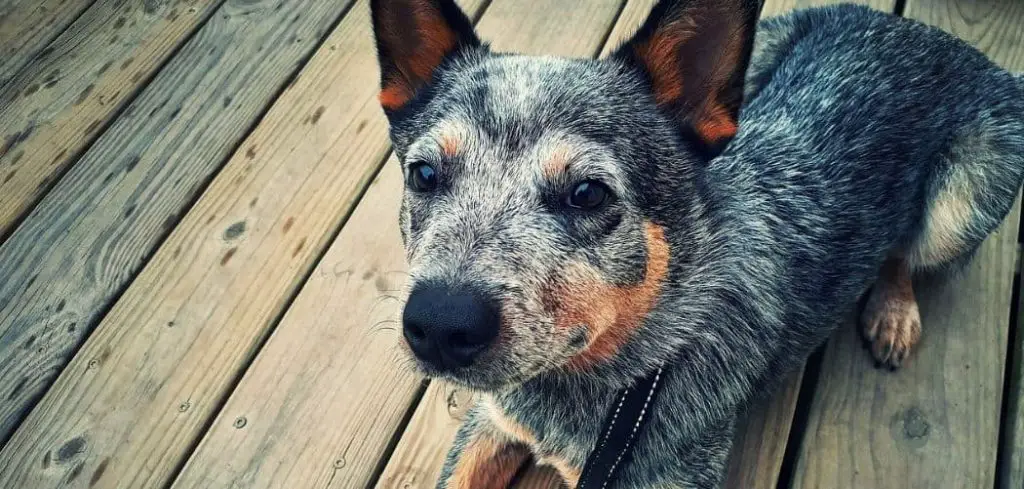
Dog Soft Stool with Mucus: Common Causes
Dietary Indiscretion
Dogs are curious eaters and often get into things they shouldn’t. Eating table scraps, spoiled food, or unfamiliar treats can upset their digestive system.
This irritation may cause the intestines to produce excess mucus, leading to soft stool with a slimy coating.
Owners might also notice increased gas, mild stomach upset, or a brief loss of appetite. While many cases resolve on their own, frequent dietary indiscretion can lead to chronic digestive problems.
Read more: Puppy Loose Stool with Mucus (When to worry and what to do)
Sudden Diet Changes
Switching your dog’s food too quickly can result in soft stool with mucus. The digestive system needs time to adjust to new proteins, fiber levels, or fat content.
Without a gradual transition, the colon may become inflamed, producing visible mucus in the stool.
Puppies and sensitive dogs are especially prone to this type of reaction. Gradual food transitions over 7–10 days can help prevent this from happening.
Intestinal Parasites
Parasites such as Giardia, whipworms, and roundworms commonly cause mucus in a dog’s stool.
These organisms irritate the intestinal lining, leading to soft, sometimes foul-smelling stool that may contain mucus.
Some dogs may also develop bloating, vomiting, or weight loss if parasites are present. Since puppies and dogs in high-exposure environments (like boarding facilities or dog parks) are especially at risk, stool testing by a veterinarian is essential to rule out parasites.
Bacterial or Viral Infections
Infections like salmonella, campylobacter, or parvovirus can cause significant irritation in the intestines.
Mucus often appears in the stool as the body tries to protect the colon lining from damage. In milder infections, dogs may still appear normal aside from stool changes, but severe infections can bring vomiting, lethargy, or dehydration.
Puppies, unvaccinated dogs, and those with weaker immune systems are more vulnerable.
Stress or Anxiety
Stress has a direct effect on the gut. Changes such as moving homes, traveling, or being left at a boarding kennel can cause digestive upset.
Stress colitis, a temporary inflammation of the colon, often leads to soft stool coated with mucus.
While dogs may otherwise act normal, this condition can cause discomfort and should not be ignored if it persists.
Inflammatory Bowel Disease (IBD)
When mucus in stool becomes a frequent problem, inflammatory bowel disease may be the underlying cause.
IBD occurs when the immune system overreacts to normal gut bacteria or food, causing chronic intestinal inflammation.
Dogs with IBD often pass soft stool with mucus regularly, and sometimes blood is also present. They may have intermittent appetite loss or weight changes over time.
This condition requires veterinary management and sometimes long-term dietary or medication adjustments.
What to Do If Your Dog Is Passing Soft Stool with Mucus
If your dog has soft stool with mucus but is otherwise acting normal, you can start by monitoring them closely. Make note of when the symptom began, any diet changes, and whether there are other signs like vomiting or decreased appetite.
Providing fresh water is essential since even mild digestive upset can cause dehydration.
For dogs with recent diet changes, consider transitioning their food more slowly. If dietary indiscretion is suspected, avoid giving table scraps or access to non-food items.
A bland diet of boiled chicken and rice may help calm the digestive system for a couple of days before slowly reintroducing their regular food.
If stress seems to be the cause, providing a calm and stable environment can improve symptoms. Ensure your dog gets plenty of exercise and mental stimulation, which can reduce anxiety-related digestive issues.
However, persistent or worsening soft stool with mucus should not be managed at home indefinitely. Stool testing by your veterinarian can identify parasites, infections, or other underlying problems that require medical treatment.
When to Call or Visit Your Vet
Contact your veterinarian if your dog’s soft stool with mucus continues for more than a few days, recurs frequently, or is accompanied by other concerning symptoms.
These include blood in the stool, vomiting, lethargy, dehydration, or refusal to eat. Puppies, senior dogs, or dogs with pre-existing health conditions should always be evaluated sooner since they can deteriorate more quickly.
Immediate veterinary attention is especially important if your dog also shows signs of abdominal pain, repeated diarrhea, or significant behavioral changes.
Even if your dog seems otherwise normal, mucus in stool can be an early warning sign of something more serious.
Read more: Dog Loose Stool with Blood and Mucus but Acting Normal (Here’s why)
Key Takeaway
Soft stool with mucus in dogs is often a sign of intestinal irritation, which can result from diet, parasites, infections, or chronic conditions.
While some cases resolve on their own, ongoing or severe symptoms should always be evaluated by a veterinarian.
By paying attention to changes in your dog’s stool and behavior, you can act quickly to protect their health and well-being.
When in doubt, trust your instincts. If something about your dog’s condition doesn’t seem right, calling your vet is the safest choice.